

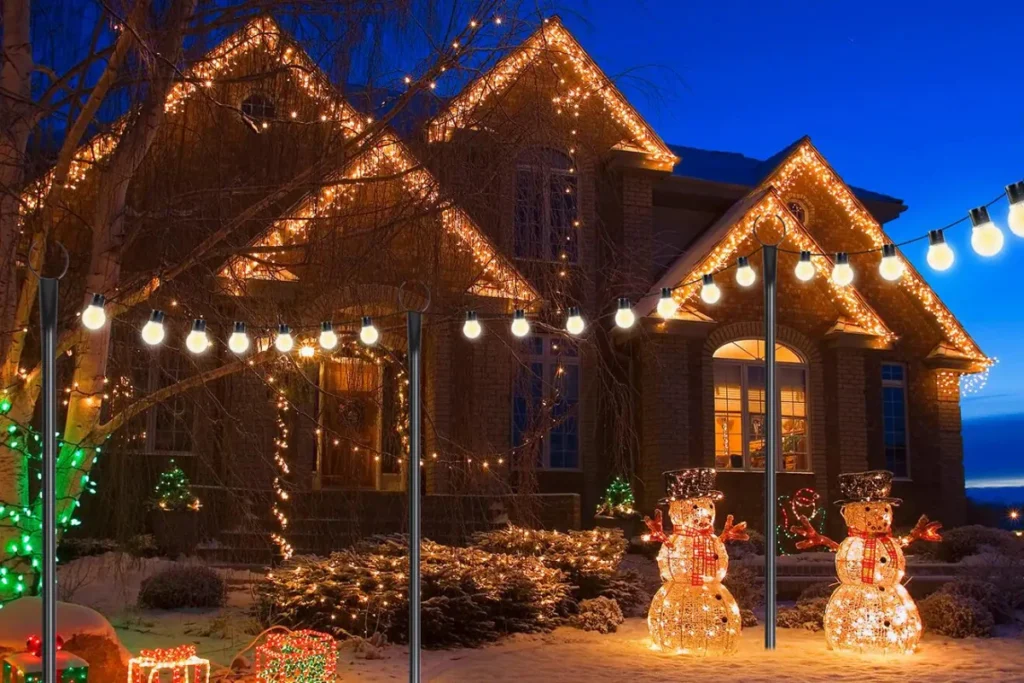
Hanging Christmas lights can make your home feel warm, festive, and welcoming during the holiday season. But if you have ever stood on a ladder trying to reach your roofline, struggled with tangled strings of lights, or worried about electrical safety, you already know that decorating your home is not always as simple as it looks.
Many homeowners want a beautiful holiday display but feel unsure about the safest way to install lights. From choosing the right equipment to handling outdoor electrical connections, every step matters when you are working around your home’s exterior.
Learning how to hang Christmas lights safely helps you avoid injuries, protect your property, and create a display you can enjoy throughout the season without unnecessary stress. With the right approach, planning, and safety precautions, you can decorate your home confidently.
Plan Your Christmas Light Installation Before You Start
One of the biggest mistakes homeowners make is starting their Christmas light installation without a proper plan. It may seem easier to grab a box of lights and begin hanging them, but preparation can save you time and prevent safety problems later.
Before you install anything, take a walk around your residence and decide where you want your lights to go. Consider areas such as rooflines, windows, entryways, trees, fences, and walkways.
A simple plan helps you determine how many lights you need and what type of equipment will work best for your home.
When planning your display, think about:
- The areas you want to decorate: Decide whether you want a simple roofline design or a complete outdoor display with trees, bushes, and architectural features.
- The power sources available: Check where your outdoor outlets are located so you can avoid using too many extension cords.
- The type of lights you will use: Outdoor-rated LED lights are usually a safer and more energy-efficient option compared to older lighting options.
- The condition of your home exterior: Look for loose gutters, damaged siding, or areas that may not safely support decorations.
Taking a few minutes to plan before climbing a ladder can make the entire process much easier.
Choose the Right Christmas Lights for Outdoor Use
Not all Christmas lights are designed for outdoor conditions. Using indoor lights outside can create serious safety risks because they are not built to handle moisture, temperature changes, or weather exposure.
When choosing lights for your home exterior, always check the product label and make sure they are rated for outdoor use.
Outdoor Christmas lights should be:
- Weather-resistant: Outdoor-rated lights are designed to handle rain, snow, and changing temperatures.
- Energy-efficient: LED Christmas lights use less electricity and produce less heat, making them a safer choice.
- In good condition: Avoid using lights with cracked wires, broken bulbs, or damaged sockets.
- The correct length: Measure your installation areas before buying lights to avoid connecting too many strands together.
Before hanging your lights, inspect every strand carefully. A damaged wire may not seem like a major issue, but it can create electrical hazards when exposed to outdoor conditions.
Use Proper Equipment When Hanging Christmas Lights
A major part of learning how to hang Christmas lights safely is understanding the importance of using the right tools. Many Christmas decorating accidents happen because homeowners rush or use unsafe methods.
A strong ladder, proper clips, and safe installation techniques can make a significant difference.
When working on your Christmas light installation, consider these safety tips:
- Use a sturdy ladder: Place your ladder on stable, level ground and avoid standing on the top steps.
- Have someone nearby: Another person can help hold the ladder, pass supplies, and assist in case something goes wrong.
- Wear proper footwear: Shoes with good grip can help prevent slips while working outdoors.
- Avoid carrying too many items while climbing: Keep your hands free when going up and down the ladder.
It may be tempting to save time by stretching too far or reaching around corners, but these shortcuts increase the chance of falling. Moving your ladder instead of overextending yourself is always the safer choice.
Use the Right Clips Instead of Damaging Your Home
Many homeowners accidentally damage their gutters, siding, or roof materials by using nails, screws, or staples to attach Christmas lights.
While these methods may seem secure, they can create holes that allow moisture to enter your home. Over time, this can lead to expensive repairs.
Instead, use Christmas light clips designed specifically for holiday decorations. These clips allow you to attach lights securely without causing unnecessary damage.
Benefits of using proper light clips include:
- Protecting your home exterior: Clips reduce the risk of holes and damage to your roofing materials.
- Making removal easier: You can take down your lights after the holidays without repairing damage.
- Creating a cleaner appearance: Proper clips help keep lights straight and evenly spaced.
A professional-looking display often comes from careful installation rather than complicated decorations.
Practice Electrical Safety With Outdoor Christmas Lights
Electricity and outdoor conditions require extra attention. Water, damaged cords, and overloaded circuits can create dangerous situations.
Before plugging in your Christmas lights, check your electrical setup carefully.
Follow these safety practices:
- Use outdoor-rated extension cords: Indoor extension cords are not designed for outdoor weather exposure.
- Avoid overloading outlets: Connecting too many lights to one outlet can cause overheating.
- Use GFCI-protected outlets: These outlets help protect against electrical shock.
- Keep connections away from water: Place connections under protective covers when possible.
You should also avoid running cords across walkways where people can trip over them. If cords must cross an area where people walk, secure them properly and make them visible.
Be Careful When Installing Lights on Rooflines
Roofline Christmas lights create one of the most popular holiday looks, but installing them can also be one of the most challenging parts of decorating.
Working near roof edges requires extra caution. A small mistake can lead to serious injuries.
When installing roofline lights:
- Avoid walking on steep roofs whenever possible.
- Use a ladder designed for exterior work.
- Never install lights during rain, ice, or strong winds.
- Keep electrical cords away from sharp edges and heat sources.
If your home has multiple stories, steep rooflines, or difficult-to-reach areas, professional installation may be the safer option.
Avoid Common Christmas Light Installation Mistakes
Many holiday decorating problems happen because homeowners are trying to finish quickly. Taking extra time during installation can help you avoid costly mistakes.
Some common mistakes include:
- Using damaged lights: Always replace broken or worn-out strands instead of trying to repair unsafe wiring.
- Connecting too many strands together: Follow manufacturer recommendations for how many light strings can be connected.
- Ignoring weather conditions: Wet or windy conditions increase safety risks.
- Hanging lights too tightly: Leave some flexibility so lights can handle temperature changes.
- Forgetting about removal: Install lights in a way that makes taking them down easier later.
A safe Christmas light display is not just about how it looks on the first day. It should remain secure and reliable throughout the entire holiday season.
Consider Professional Christmas Light Installation
While many homeowners enjoy decorating their own homes, Christmas light installation can become difficult depending on the size and design of the property.
Professional installers have the tools, experience, and knowledge needed to create beautiful displays while reducing safety risks.
Hiring a professional can be helpful if:
- Your home has high rooflines or multiple levels.
- You want a detailed custom lighting design.
- You do not have the time to install and remove lights yourself.
- You want your lights positioned evenly and professionally.
- You want to avoid climbing ladders or handling electrical connections.
Professional holiday lighting services can also help with storage, maintenance, and seasonal removal, making the entire process more convenient.
How to Store Christmas Lights Safely After the Holidays
Safe Christmas decorating does not end when you turn off the lights for the last time. Proper storage helps protect your investment and makes next year’s installation easier.
Before storing your lights:
- Remove them carefully to avoid pulling or damaging wires.
- Check for damaged sections before packing them away.
- Wrap strands properly to prevent tangling.
- Store lights in a dry location away from extreme temperatures.
Taking care of your lights after the season means they will be ready to use again when the holidays return.
Frequently Asked Questions About How to Hang Christmas Lights Safely
1. What is the safest way to hang Christmas lights?
The safest way to hang Christmas lights is to plan your installation, use outdoor-rated lights, use proper clips, and avoid unsafe ladder practices. Always prioritize safety over speed when decorating your home.
2. Can I use indoor Christmas lights outside?
No, indoor Christmas lights should not be used outdoors. Outdoor-rated lights are designed to handle weather conditions and provide better protection against moisture and temperature changes.
3. How do I hang Christmas lights without damaging my gutters?
You can use gutter clips or specialized Christmas light clips instead of nails or staples. These clips securely hold lights while protecting your home’s exterior.
4. How high can I safely install Christmas lights myself?
The safe height depends on your equipment, comfort level, and the structure of your home. If you need to work on tall areas or steep rooflines, professional installation is often the safer choice.
5. Should I use LED lights for outdoor Christmas decorations?
Yes, LED Christmas lights are a popular choice because they use less energy, produce less heat, and are generally more durable than traditional bulbs.
6. How many Christmas lights can I connect together?
The number of lights you can connect depends on the manufacturer’s instructions. Always follow the recommended limits to prevent electrical overload.
7. Can Christmas lights stay outside in bad weather?
Outdoor-rated Christmas lights are designed for weather exposure, but connections should still be protected from direct water contact. Avoid installing or adjusting lights during storms or unsafe weather conditions.
8. When should I install Christmas lights?
Many homeowners install Christmas lights during late fall before temperatures become too cold. Choosing a dry, calm day makes the installation process safer and easier.
9. How can I make my Christmas light display look professional?
A professional-looking display comes from careful planning, consistent spacing, balanced designs, and properly installed lights. Using quality materials and avoiding messy cords also improves the final appearance.
10. Is professional Christmas light installation worth it?
For many homeowners, professional installation is worth considering because it saves time, improves safety, and provides a polished holiday display without the challenges of climbing ladders and handling electrical work.
Final Words
Learning how to hang Christmas lights safely allows you to enjoy a beautiful holiday display while protecting yourself, your family, and your home. With proper planning, the right materials, and careful installation techniques, you can create a festive outdoor space that looks great throughout the season.
If your home has challenging areas or you simply want a stress-free holiday experience, professional Christmas light installation can help you achieve the look you want without the safety concerns. The goal is to enjoy the holidays, not spend them worrying about ladders, wiring, or repairs.