

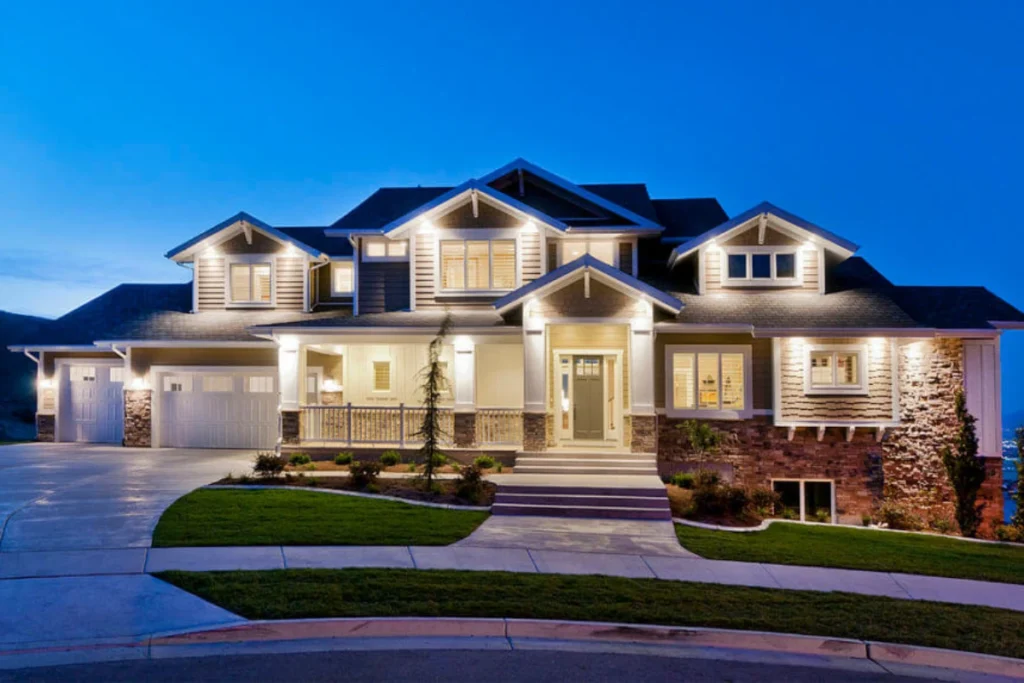
If your home looks dark, uninviting, or outdated at night, you are not alone. Many homeowners invest in landscaping, fresh paint, or a new roof but still feel like something is missing after sunset. The problem is often poor exterior lighting. Without the right illumination, architectural details disappear, walkways become harder to navigate, and your home loses much of its nighttime curb appeal.
That is where exterior soffit lighting can make a dramatic difference. Properly installed soffit lights highlight your home’s design, improve safety, and create a warm, welcoming atmosphere. Whether you are planning a new installation or upgrading an older system, understanding how exterior soffit lighting works will help you make smarter decisions for your home.
In this complete guide, you will learn what exterior soffit lighting is, the different types available, installation considerations, design tips, and answers to common questions homeowners ask before getting started.
What Is Exterior Soffit Lighting?
Exterior soffit lighting refers to light fixtures installed underneath the soffit, which is the horizontal surface beneath the edge of your roof overhang. These fixtures are designed to direct light downward, outward, or along the walls of your home.
Unlike porch lights that illuminate a single entrance area, soffit lighting can be installed around the entire perimeter of a house. This creates a balanced outdoor lighting effect that enhances both appearance and functionality.
Homeowners commonly use exterior soffit lighting to:
- Highlight architectural features.
- Improve nighttime visibility around the property.
- Increase security by reducing dark areas.
- Add curb appeal and a more polished appearance.
- Support seasonal or decorative lighting displays.
Why Homeowners Choose Exterior Soffit Lighting
One of the biggest advantages of exterior soffit lighting is that it provides consistent illumination without cluttering the exterior of your home with multiple wall-mounted fixtures.
Here are some of the main benefits:
Enhanced Curb Appeal
A well-lit roofline gives your home a clean, upscale appearance. Even a modest home can look significantly more attractive when the architectural lines are properly illuminated.
Improved Safety
Dark walkways, steps, and driveways can create tripping hazards. Soffit lights help illuminate these areas and make it easier for family members and guests to move around safely.
Better Security
Criminals generally prefer poorly lit areas. Exterior soffit lighting helps eliminate shadows and dark corners around your home, making the property less appealing for unwanted activity.
Energy Efficiency
Modern LED soffit lights use very little electricity while providing excellent brightness. This allows you to keep your exterior lighting on for longer periods without a significant impact on your energy bill.
Types of Exterior Soffit Lighting
Choosing the right type of soffit lighting depends on your home’s design and your lighting goals.
1. Recessed Soffit Lights
These fixtures are installed flush with the soffit surface, creating a clean and modern look.
Best for: Contemporary homes, new construction, and homeowners who want a sleek appearance.
Advantages:
- Minimal visual clutter.
- Professional appearance.
- Even light distribution.
2. Surface-Mounted Soffit Lights
These fixtures attach directly to the underside of the soffit.
Best for: Retrofit projects where recessed installation is difficult.
Advantages:
- Easier installation.
- Lower labor costs.
- Wide range of styles available.
3. LED Strip Lighting
LED strips can be installed along the soffit edge to create a continuous line of light.
Best for: Modern architectural lighting and accent effects.
Advantages:
- Continuous illumination.
- Color-changing options.
- Excellent for decorative applications.
4. Permanent Architectural Lighting Systems
These systems are integrated into the roofline and often controlled through a smartphone app.
Best for: Homeowners who want year-round lighting flexibility.
Advantages:
- Custom colors and patterns.
- Holiday and event lighting capabilities.
- Minimal visibility during the daytime.
Choosing the Right Brightness
One of the most common mistakes is installing lights that are too bright. Exterior soffit lighting should enhance your home, not make it look like a parking lot.
For most residential applications:
- 300–500 lumens: Accent lighting
- 500–800 lumens: General soffit illumination
- 800–1200 lumens: Large areas or higher mounting locations
Warm white lighting between 2700K and 3000K is usually the most attractive for residential homes because it creates a soft, inviting glow.
Where Should Soffit Lights Be Placed?
Proper placement is just as important as the fixture itself.
A common guideline is to space recessed soffit lights 6 to 8 feet apart. However, the ideal spacing depends on:
- The height of the soffit.
- The brightness of the fixture.
- The width of the roof overhang.
- The effect you want to achieve.
For a typical single-story home, lights placed every 6 feet often provide smooth, even coverage without creating noticeable bright spots.
Installation Considerations
Before installing exterior soffit lighting, there are several factors to evaluate.
Check the Soffit Material
Soffits may be made from:
- Vinyl.
- Aluminum.
- Wood.
- Fiber cement.
Each material requires different installation techniques and hardware.
Plan the Electrical Wiring
Running wiring through the soffit and attic space is often the most time-consuming part of the project. New construction is generally easier because wiring can be installed before the soffit is closed.
Use Outdoor-Rated Fixtures
Always choose fixtures specifically rated for exterior use. These fixtures are designed to withstand moisture, temperature changes, and exposure to outdoor conditions.
Consider Smart Controls
Many homeowners now install:
- Timers.
- Motion sensors.
- Dusk-to-dawn sensors.
- Smartphone-controlled lighting systems.
These features improve convenience and help reduce energy consumption.
Design Tips for Better Results
If you want your exterior soffit lighting to look professionally designed, keep these principles in mind.
Highlight Architectural Features
Use soffit lights to draw attention to rooflines, gables, columns, and textured exterior materials.
Layer Your Lighting
Combine soffit lighting with pathway lights, landscape lighting, or entry lighting for a more balanced appearance.
Avoid Overlighting
More light is not always better. A subtle, even glow usually looks more elegant than extremely bright lighting.
Keep Color Temperatures Consistent
Mixing warm and cool white fixtures can make your home look uneven. Choose a single color temperature for all exterior lighting whenever possible.
Common Mistakes to Avoid
Many homeowners run into problems because of a few avoidable mistakes.
- Installing fixtures too far apart: This creates dark gaps between lights.
- Choosing lights that are too bright: Excessive brightness can create glare and reduce visual comfort.
- Ignoring maintenance access: Make sure fixtures can be serviced if needed.
- Using indoor-rated products outdoors: These fixtures may fail prematurely when exposed to weather.
- Skipping a lighting plan: Random placement often leads to uneven results.
Exterior Soffit Lighting FAQs
1. Is exterior soffit lighting worth the investment?
Yes. It improves curb appeal, increases safety, enhances security, and can make your home look more attractive at night.
2. Can soffit lights be installed on an existing home?
Absolutely. Many soffit lighting projects are retrofits. Surface-mounted fixtures are often the easiest option for existing homes.
3. What is the best color temperature for exterior soffit lighting?
Warm white lighting between 2700K and 3000K is usually the most appealing for residential properties.
4. How far apart should soffit lights be spaced?
For most homes, spacing lights 6 to 8 feet apart provides even coverage. The exact distance depends on fixture brightness and soffit height.
5. Are LED soffit lights energy efficient?
Yes. LED fixtures consume significantly less electricity than traditional incandescent or halogen lights while lasting much longer.
6. Do soffit lights help with home security?
Yes. By reducing dark areas around your property, soffit lighting can improve visibility and deter unwanted activity.
7. Can I control soffit lights with my phone?
Many modern systems include smart controls that allow you to adjust brightness, colors, schedules, and scenes from a smartphone app.
8. What is the difference between soffit lighting and flood lighting?
Soffit lighting provides more focused, architectural illumination, while flood lights are designed to cover large areas with broad, bright light.
9. How long do exterior LED soffit lights last?
Quality LED fixtures often last 25,000 to 50,000 hours or more, depending on usage and environmental conditions.
10. Can exterior soffit lighting be used year-round?
Yes. Permanent soffit lighting systems are designed for year-round operation and can be adjusted for everyday use, holidays, or special events.
Final Words
Exterior soffit lighting is one of the most effective ways to transform the appearance of your home after dark. It enhances curb appeal, improves safety, supports security, and highlights the architectural features that make your home unique.
The key is choosing the right fixtures, brightness level, and placement for your specific property. Whether you prefer simple recessed lights or a fully integrated permanent lighting system, a thoughtful soffit lighting design can make your home look more polished and welcoming every night of the year.
If you are considering upgrading your home’s exterior lighting, planning the layout carefully before installation will help you achieve a cleaner, more professional result that you can enjoy for years to come.