

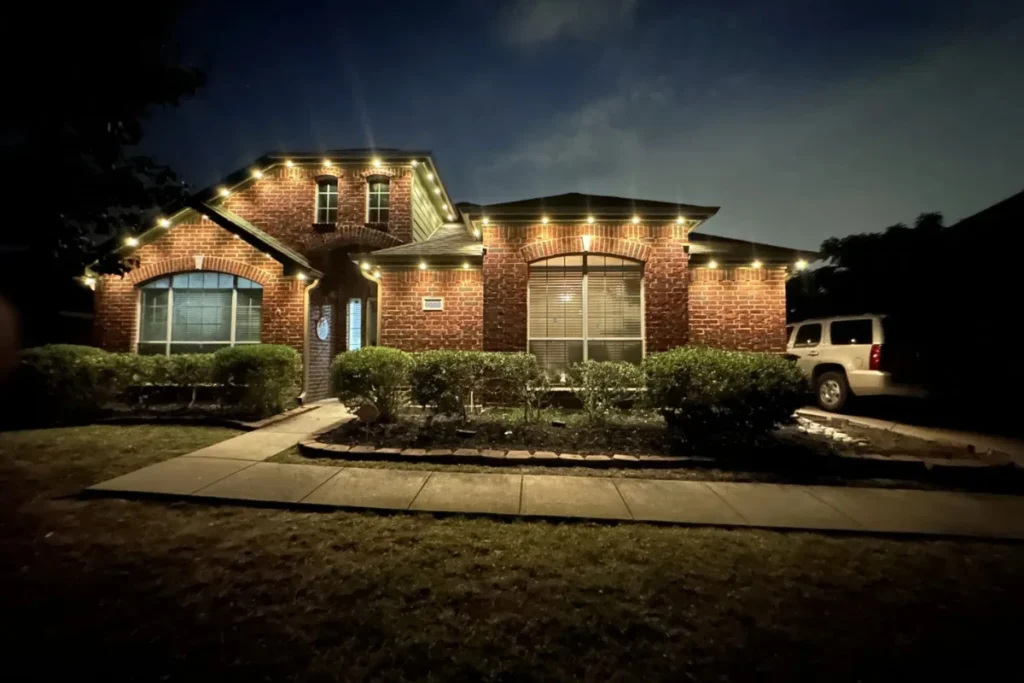
Have you ever looked at your home after sunset and felt like something was missing? During the day, your home’s architecture may look impressive, but once it gets dark, those beautiful rooflines, textures, and design features seem to disappear. At the same time, you might not want large, visible light fixtures that distract from your home’s appearance.
This is where recessed lighting soffit systems come into the picture. They provide a clean, modern lighting solution that blends into your home’s exterior while creating a warm and inviting atmosphere at night. However, like any lighting option, recessed soffit lighting comes with both advantages and disadvantages.
If you’re planning to upgrade your home’s exterior lighting, understanding the pros and cons can help you make a smarter investment. In this guide, you’ll learn what recessed soffit lighting is, its benefits, its drawbacks, and whether it’s the right choice for your property.
What Is Recessed Soffit Lighting?
Before discussing the advantages and disadvantages, it’s helpful to understand exactly what recessed soffit lighting means.
A recessed lighting soffit system consists of light fixtures installed inside the underside of your roof overhang, commonly known as the soffit. Unlike wall-mounted lights or hanging fixtures, recessed lights sit flush with the surface, making them almost invisible during the daytime.
Once evening arrives, these fixtures shine downward to illuminate walls, landscaping, walkways, patios, and architectural details. Because the fixtures are hidden, the focus stays on your home rather than the lighting itself.
Many homeowners choose recessed soffit lighting because it combines functionality with a clean, contemporary appearance.
Why Homeowners Choose Recessed Lighting Soffit Systems
Exterior lighting has evolved significantly over the years. Rather than installing bulky floodlights, homeowners now prefer lighting that enhances their home’s appearance without becoming the center of attention.
Recessed soffit lighting offers exactly that.
Some of the biggest reasons homeowners choose this lighting style include:
- It creates a clean architectural appearance: Since the fixtures are installed inside the soffit, they don’t interrupt the clean lines of your home’s exterior. Your home looks elegant both during the day and at night.
- It improves nighttime visibility: Properly placed lights brighten dark areas around entrances, driveways, and walkways, making it easier for your family and guests to move around safely.
- It highlights landscaping: Instead of pointing harsh lights directly at your yard, recessed fixtures provide soft illumination that enhances trees, shrubs, stonework, and flower beds.
- It increases curb appeal: A well-lit home naturally attracts attention. Whether you’re welcoming guests or considering selling your property in the future, quality lighting makes a lasting first impression.
The Pros of Recessed Soffit Lighting
Let’s explore the biggest advantages of installing recessed soffit lighting.
1. Clean and Modern Appearance
One of the greatest benefits is its minimalist design.
Traditional exterior lights often stick out from the walls, creating visual clutter. Recessed fixtures stay hidden inside the soffit, giving your home a sleek and polished appearance.
This makes them especially popular for contemporary homes, although they also complement traditional architecture.
2. Better Architectural Lighting
Rather than simply lighting up your yard, recessed soffit lights emphasize your home’s design.
They can highlight:
- Stone walls.
- Brick textures.
- Decorative columns.
- Entryways.
- Rooflines.
- Outdoor living spaces.
Instead of overwhelming the property with bright light, they create balanced illumination that enhances architectural features.
3. Improved Home Security
A dark exterior can create hiding spots around your home.
Although recessed soffit lighting isn’t designed as a security system, it does help eliminate shadows around entrances, garages, and pathways. Better visibility can discourage unwanted visitors while making you feel more comfortable arriving home after dark.
4. Energy Efficiency
Most modern recessed soffit systems use LED technology.
LED fixtures consume significantly less electricity than older lighting options while producing excellent brightness. They also generate less heat, making them more efficient over time.
As a result, you’ll likely notice lower energy consumption compared to traditional outdoor lighting.
5. Long Lifespan
Another major advantage is durability.
Quality LED recessed fixtures often last for many years before needing replacement. This means less maintenance and fewer bulb changes compared to conventional outdoor lights.
When professionally installed, they can continue performing reliably through changing weather conditions.
6. Even Light Distribution
One common complaint about traditional floodlights is uneven illumination.
Recessed lighting soffit fixtures are usually spaced evenly along the roofline. This creates consistent lighting without extremely bright spots or harsh glare.
The result feels more welcoming and visually appealing.
7. Increased Property Value
Exterior improvements often contribute to a home’s overall value.
While lighting alone won’t dramatically change your property’s worth, attractive architectural lighting can improve curb appeal and create a positive impression for potential buyers.
A professionally illuminated home often appears more upscale and well-maintained.
The Cons of Recessed Soffit Lighting
Although recessed soffit lighting has many benefits, it isn’t perfect for every situation.
Here are some potential drawbacks to consider.
1. Higher Installation Cost
One of the biggest disadvantages is the initial investment.
Installing recessed fixtures requires cutting precise openings in the soffit, running electrical wiring, and positioning each light correctly.
Professional installation typically costs more than simply mounting standard exterior lights.
However, many homeowners view it as a long-term investment because of the improved appearance and lower maintenance.
2. Professional Installation Is Usually Necessary
Unlike replacing a porch light, installing recessed lighting involves electrical work and careful planning.
Incorrect installation can lead to moisture problems, uneven lighting, or electrical issues.
For this reason, most homeowners hire experienced lighting professionals rather than attempting the project themselves.
3. Fixture Placement Matters
Poor planning can reduce the effectiveness of your lighting.
If fixtures are installed too close together, your home may appear overly bright. If they’re spaced too far apart, you’ll end up with dark areas.
A professional lighting design helps ensure balanced illumination across the entire exterior.
5. Limited Directional Control
Since recessed fixtures are installed flush with the soffit, they generally shine downward.
If you want dramatic uplighting on tall trees or specific landscape features, you may need additional landscape lighting fixtures to achieve the desired effect.
6. Future Modifications Can Be More Difficult
Once recessed fixtures are installed, relocating them isn’t as simple as moving surface-mounted lights.
Changing the layout later may require repairing sections of the soffit and adjusting electrical wiring.
Planning ahead helps avoid future changes.
Is Recessed Soffit Lighting Right for Every Home?
Not necessarily.
While recessed lighting soffit systems work beautifully for many homes, the best choice depends on your property’s design, lighting goals, and budget.
You may find recessed soffit lighting ideal if:
- You prefer a clean, modern appearance.
- You want fixtures that remain hidden during the day.
- You’re already renovating or building a home.
- You value long-lasting LED lighting.
- You want to improve curb appeal with subtle architectural lighting.
On the other hand, another lighting solution may be better if you need highly adjustable fixtures or want the lowest possible installation cost.
Tips for Getting the Best Results
If you’re considering recessed soffit lighting, a little planning goes a long way.
Keep these recommendations in mind:
- Choose high-quality LED fixtures: Better-quality products usually offer longer life, improved efficiency, and more consistent light output.
- Think about your lighting goals first: Decide whether your priority is improving curb appeal, increasing safety, highlighting architecture, or creating a welcoming outdoor space.
- Avoid over-lighting your home: More light isn’t always better. Balanced illumination creates a more elegant appearance than excessive brightness.
- Consider color temperature carefully: Warm white lighting often creates a comfortable, inviting atmosphere, while cooler tones provide a more modern look.
- Work with experienced professionals: Proper spacing, wiring, and fixture placement make a significant difference in the final appearance.
Recessed Soffit Lighting vs Traditional Exterior Lighting
Many homeowners wonder whether recessed soffit lighting is better than traditional wall-mounted fixtures.
The answer depends on your priorities.
If your goal is decorative architectural lighting with a clean appearance, recessed lighting soffit systems are often the better choice. They remain hidden while providing smooth, even illumination across your home’s exterior.
Traditional fixtures, however, can be more affordable and easier to install. They’re also easier to replace or reposition if your lighting needs change.
For many homes, combining recessed soffit lighting with landscape lighting, pathway lighting, or entry lighting creates the most attractive overall result.
Maintenance Tips
Fortunately, recessed soffit lighting requires relatively little maintenance.
To keep your lighting system performing well:
- Clean the fixture trims occasionally to remove dirt and dust.
- Check for leaves or debris that may block the light.
- Inspect fixtures after severe weather.
- Replace damaged LED modules promptly if necessary.
- Schedule periodic inspections if your lighting system covers a large property.
Regular maintenance helps preserve both appearance and performance for years.
Frequently Asked Questions
1. What is recessed lighting soffit?
Recessed lighting soffit refers to light fixtures installed flush within the underside of a roof overhang. The fixtures stay mostly hidden while providing downward illumination for your home’s exterior.
2. Is recessed soffit lighting suitable for older homes?
Yes. Many older homes can be upgraded with recessed soffit lighting, although installation may require modifications depending on the existing soffit construction.
3. Does recessed soffit lighting use LED bulbs?
Most modern systems use LED technology because it offers excellent energy efficiency, long life, and low maintenance.
4. Can recessed soffit lighting improve home security?
It can help improve visibility around entrances, driveways, and walkways, reducing dark areas around your property. However, it should complement—not replace—other security measures.
5. Is professional installation recommended?
Yes. Because the installation involves electrical work and proper fixture placement, professional installation helps ensure safety and the best visual results.
6. How long do LED recessed soffit lights last?
High-quality LED fixtures can last for many years, often significantly longer than traditional outdoor lighting options, depending on usage and product quality.
7. Can recessed soffit lighting be used with smart controls?
Many modern LED systems are compatible with timers, dimmers, and smart home controls, allowing you to customize schedules and brightness.
8. Does recessed soffit lighting increase curb appeal?
Yes. A thoughtfully designed lighting system enhances architectural features, creates a welcoming appearance, and can make your home stand out after dark.
9. Is recessed soffit lighting weather-resistant?
Outdoor-rated recessed fixtures are designed to withstand rain, temperature changes, and other weather conditions when installed correctly.
10. Is recessed lighting soffit worth the investment?
If you value clean aesthetics, energy efficiency, long-term durability, and improved nighttime appearance, recessed soffit lighting is often a worthwhile investment.
Final Words
Choosing the right exterior lighting is about more than simply making your home brighter. It’s about creating a welcoming environment, highlighting architectural details, improving visibility, and enhancing curb appeal without overwhelming your property’s design.
A recessed lighting soffit system offers an elegant solution that blends seamlessly into your home’s exterior while providing dependable illumination night after night. Although the initial installation may require a larger investment than traditional fixtures, many homeowners find the clean appearance, energy efficiency, and long-lasting performance well worth it.
Before moving forward, consider your home’s architecture, your lighting goals, and your long-term plans. With thoughtful design and professional installation, recessed soffit lighting can transform the look and feel of your property for years to come.