

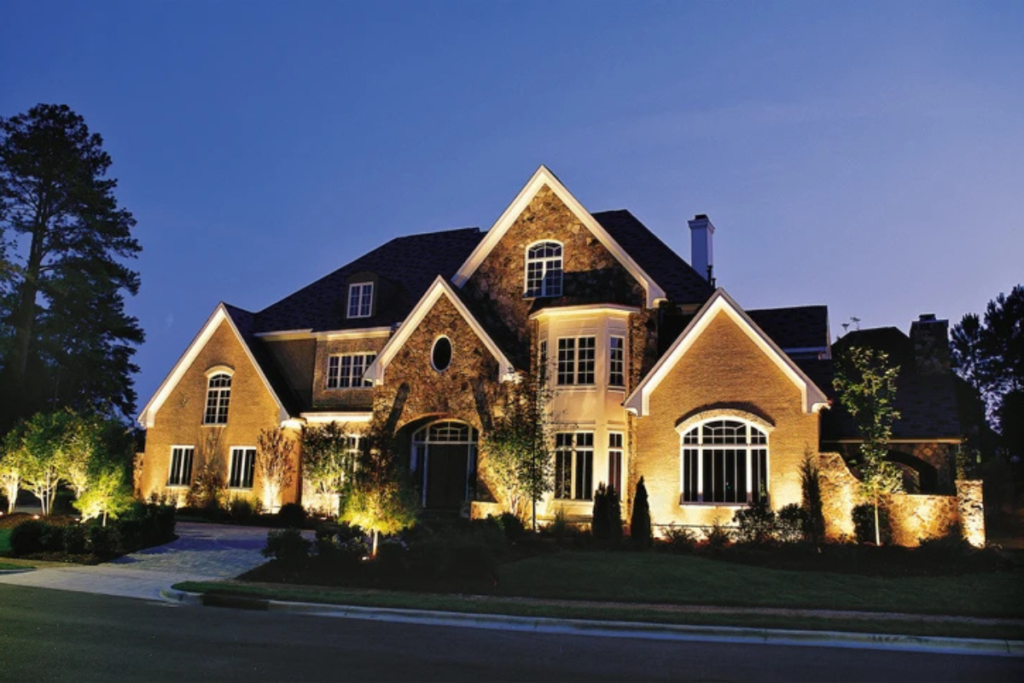
If your home looks beautiful during the day but disappears into the darkness at night, you are not alone. Many homeowners invest in landscaping, exterior paint, and architectural details, only to find that none of those features stand out after sunset. The result is a home that feels flat, uninviting, and less secure than it could be.
That is where architectural lighting can make a dramatic difference. Thoughtfully placed lighting highlights the unique lines, textures, and design elements of your home while also improving safety and curb appeal. Instead of simply adding a few bright fixtures, architectural lighting focuses on enhancing the structure itself.
Whether you own a modern home, a craftsman-style house, or a traditional residence, the right lighting strategy can transform the entire appearance of your property. In this guide, you will discover practical architectural lighting ideas that help residential homes look more attractive, functional, and welcoming.
What Is Architectural Lighting?
Architectural lighting is a design-focused approach that uses light to emphasize the shape, materials, and features of a building. Rather than lighting an area for visibility alone, it draws attention to elements such as rooflines, columns, stonework, entryways, and windows.
For residential homes, this means using lighting to:
- Highlight architectural details.
- Create depth and dimension.
- Improve nighttime visibility.
- Increase curb appeal.
- Make outdoor spaces more inviting.
When done correctly, the lighting feels integrated into the home instead of appearing as an afterthought.
Start With Your Home’s Architecture
Before choosing fixtures, take a close look at the design of your home. The most effective architectural lighting plan complements the existing style.
For modern homes
- Use clean, linear lighting.
- Highlight sharp rooflines and geometric shapes.
- Choose fixtures with minimal visual clutter.
For traditional homes
- Emphasize entryways and symmetrical features.
- Use warm, inviting light levels.
- Highlight columns, shutters, and decorative trim.
For craftsman or rustic homes
- Accentuate wood textures and stone surfaces.
- Use softer lighting angles.
- Focus on porches and architectural details.
The goal is to make the lighting feel like a natural extension of the home’s design.
Highlight the Roofline
One of the most effective architectural lighting control techniques is outlining the roofline. This instantly defines the shape of the smart home and makes it visible from a distance.
Roofline lighting works especially well because it:
- Creates a clean architectural outline.
- Adds depth to the facade.
- Enhances curb appeal year-round.
- Can be integrated discreetly under eaves.
For a polished look, the lighting should be evenly distributed without visible gaps or overly bright sections.
Use Uplighting for Stone and Textured Surfaces
If your home has stone, brick, or textured siding, uplighting can dramatically enhance those materials. Place fixtures near the base of the wall and aim the light upward.
This technique:
- Reveals texture and depth.
- Creates subtle shadows.
- Makes natural materials stand out at night.
- Adds visual interest without overwhelming the facade.
Textured surfaces often look far more impressive under angled lighting than under direct floodlights.
Illuminate the Entryway
Your front door is one of the most important architectural features of your home. It is also the area that guests notice first.
Consider combining:
- Wall-mounted fixtures on either side of the door.
- Overhead porch lighting.
- Subtle step or pathway lighting leading to the entrance.
This layered approach improves safety while creating a welcoming focal point.
Add Pathway Lighting With Purpose
Pathway lights should do more than simply illuminate the ground. When placed thoughtfully, they guide visitors toward the home and support the overall architectural design.
Avoid placing lights too close together. Instead, space them strategically so the path is visible while maintaining a clean, uncluttered appearance.
This creates a more sophisticated effect than a continuous row of bright fixtures.
Accent Columns and Vertical Features
Many homes have vertical elements that deserve attention, such as:
- Columns.
- Pilasters.
- Chimneys.
- Tall entry features.
- Decorative beams.
Narrow-beam uplights can emphasize these features and make the home appear taller and more dramatic after dark.
This technique works particularly well on homes with prominent front porches or grand entrances.
Incorporate Landscape and Architectural Lighting Together
Architectural lighting is most effective when it works with the surrounding landscape. Trees, shrubs, and garden beds can frame the smart home and soften the transition between the structure and the yard.
For example:
- Uplight a tree near the entryway.
- Highlight ornamental shrubs.
- Illuminate stone retaining walls.
- Add subtle lighting around landscape features that complement the facade.
The house and landscape should feel connected rather than lit as separate elements.
Use Layered Lighting Instead of One Bright Source
A common mistake is relying on a single floodlight to illuminate the entire front of the house. This often creates harsh shadows and an unbalanced appearance.
Layered lighting produces a much better result by combining:
- Roofline lighting.
- Uplighting.
- Entry lighting.
- Path lighting.
- Landscape accents.
Each layer serves a specific purpose while contributing to a cohesive nighttime design.
Consider Permanent Architectural Lighting
Many homeowners are moving toward permanent lighting systems that remain installed year-round. These systems are designed to blend into the roofline and can be adjusted for different occasions.
Benefits include:
- No seasonal installation and removal.
- Consistent architectural enhancement every night.
- App-based scheduling and control.
- Long-lasting LED performance.
- Clean daytime appearance when properly installed.
Permanent systems are especially useful for homes where curb appeal and exterior presentation are a priority.
Avoid Overlighting
More light is not always better. Excessive brightness can wash out architectural details and create glare.
Signs of overlighting include:
- Harsh reflections from windows.
- Uneven bright spots.
- Difficulty seeing architectural textures.
- Light spilling into neighboring properties.
A balanced lighting plan uses just enough illumination to reveal the home’s features without overpowering them.
Smart Lighting Controls Add Flexibility
Modern architectural lighting systems often include smart controls that allow you to:
- Adjust brightness levels.
- Create schedules.
- Turn sections on or off independently.
- Change lighting scenes for different occasions.
- Control the system from a smartphone.
This flexibility helps you adapt the lighting to everyday use, entertaining, holidays, or special events.
Architectural Lighting Ideas by Area
Front facade
- Highlight rooflines and entry features
- Use uplights on stone or brick
- Add symmetrical lighting around the front door
Driveway
- Use low-level edge lighting.
- Accent nearby landscaping.
- Guide vehicles without creating glare.
Back patio
- Combine overhead and accent lighting.
- Highlight architectural beams or columns.
- Use dimmable fixtures for entertaining.
Pool area
- Illuminate surrounding structures.
- Accent retaining walls or water features.
- Maintain balanced light levels for safety.
Frequently Asked Questions
1. What is architectural lighting for a home?
Architectural lighting is a design-focused lighting approach that highlights the structure, materials, and features of a home rather than simply providing general illumination.
2. Does architectural lighting increase home value?
Well-designed exterior lighting can improve curb appeal and make a property more attractive to potential buyers, which may positively influence perceived value.
3. What areas of a home should be highlighted?
Common areas include rooflines, entryways, columns, stone walls, textured siding, pathways, and prominent architectural details.
4. Is LED lighting best for architectural lighting?
Yes. LED fixtures are energy-efficient, long-lasting, and available in a wide range of beam angles and brightness levels suitable for residential architectural lighting.
5. Can architectural lighting be installed permanently?
Yes. Many homeowners choose permanent lighting systems that remain installed year-round and can be controlled through a smartphone app.
6. How bright should architectural lighting be?
The goal is balanced illumination, not maximum brightness. Too much light can create glare and hide architectural details.
7. What is the difference between architectural lighting and landscape lighting?
Architectural lighting focuses on the home’s structure, while landscape lighting emphasizes trees, plants, pathways, and outdoor features. The two are often used together.
8. Can smart controls be added to architectural lighting?
Yes. Many modern systems allow scheduling, dimming, scene selection, and remote control from a smartphone.
9. Is architectural lighting suitable for older homes?
Absolutely. Older homes often have unique architectural details that can be beautifully highlighted with carefully placed lighting.
10. How do I avoid making my home look overlit?
Use layered lighting, focus on key features, and avoid placing excessively bright fixtures directly on the facade. A professional lighting design can help achieve the right balance.
Final Words
Architectural lighting is one of the most effective ways to transform a residential home after dark. By highlighting rooflines, entryways, textured surfaces, and landscape features, you can create a home that feels more welcoming, elegant, and visually striking.
The best results come from a thoughtful, layered approach that complements the existing architecture rather than overpowering it. Whether you choose a few accent fixtures or a complete permanent lighting system, well-planned architectural lighting can help your home stand out beautifully every evening of the year.